
Towing Made Safer With The Ford F-150 BLIS System

What Is Ford BLIS®? Understanding the Blind Spot Information System
Ford F-150 BLIS® stands for Blind Spot Information System. It is an essential safety feature designed to prevent accidents by alerting drivers to vehicles in their blind spots. Whether you’re navigating city streets or highways, this advanced system helps enhance your awareness and confidence on the road.
The Ford BLIS® with Cross-Traffic Alert comes standard on the Ford F-150, offering protection wherever your journey takes you. By utilizing radar sensors, the system detects nearby vehicles and provides alerts through an indicator light in the side-view mirrors. This feature is part of the Ford Co-Pilot360™ suite, which enhances overall vehicle safety.
An enhanced version of BLIS® is available for those who frequently tow trailers. This system extends coverage to the truck and the conventional trailer you’re towing. The Trailer Blind Spot feature supports up to 9 feet wide and 33 feet long trailers. However, it is designed for conventional trailers only and will deactivate automatically if a fifth-wheel or gooseneck trailer is selected. Keep reading and head to Preston Ford of Denton to explore our inventory today!
How BLIS® with Cross-Traffic Alert Works
Ford’s BLIS® with Cross-Traffic Alert acts like a trusted co-pilot, using advanced radar sensors near the rear of your vehicle to keep an extra eye on your surroundings. As soon as a vehicle enters your blind spot, a subtle yet effective indicator light in the side mirror lets you know, making lane changes smoother and safer. But the protection doesn’t stop there. Cross-Traffic Alert has your back when reversing out of a tight parking space or driveway, detecting approaching vehicles from the sides. With visual alerts in the side-view mirrors, audible warnings, and message center notifications guiding you, Ford BLIS® helps you navigate the road confidently and easily, turning everyday driving into a safer, stress-free experience.

Benefits of Using Ford BLIS®
Driving with confidence is easier than ever with the Ford F-150 BLIS® system, a smart safety feature designed to enhance awareness and reduce stress on the road. By providing real-time alerts, BLIS® helps minimize the risk of blind spot-related accidents, giving you extra peace of mind during lane changes. Whether navigating heavy traffic or through a tricky parking lot, this system works as your second set of eyes, ensuring you stay aware of vehicles in your blind spots. With immediate warnings and added security, Ford BLIS® transforms everyday driving into a smoother, safer experience, so you can focus on the journey ahead.
Using Ford BLIS® with Trailer Coverage
For drivers who frequently tow, Ford BLIS® with Trailer Coverage enhances blind spot monitoring by extending its protection to both your truck and trailer. Designed for conventional trailers up to 9 feet wide and 33 feet long, this feature allows users to input trailer dimensions for a more accurate detection range. Using advanced sensors, it extends rearward awareness, significantly improving towing safety by alerting drivers to vehicles in their blind spots. While not compatible with fifth-wheel or gooseneck trailers, Ford BLIS® with Trailer Coverage offers a smarter, more confident towing experience.

Maximizing Safety with BLIS®
Maximizing safety with Ford BLIS® with Cross-Traffic Alert starts with proper setup and maintenance to ensure it functions correctly. Regularly consulting your owner’s manual provides valuable guidance for setup and troubleshooting, while keeping radar sensors clean and free from dirt, ice, or snow helps maintain optimal performance. Scheduling routine maintenance ensures the system remains accurate, giving you confidence on the road. If any issues arise, our trusted Ford dealership is always here to provide professional assistance, helping you stay safe and aware of your surroundings.
Coverage on Every Journey
The Ford F-150 BLIS® is an invaluable safety feature that helps you drive with greater awareness and confidence. We will even show you how to turn on the Blind Spot Monitor in a Ford F-150 to get you more comfortable with using the innovative technology to your best advantage. Experience its benefits firsthand by visiting Preston Ford of Denton for a test drive today.
Comparing Ford Co-Pilot360® Technology
Choosing between the Ford Co-Pilot360® and Ford Co-Pilot360® Assist+ can be challenging for car buyers seeking advanced safety and driver-assist technologies. Both systems offer impressive features designed to enhance road safety and driving convenience. In our blog, we will break down the key differences to help you determine which package is best suited to your needs from the trusted Blue Oval brand. Keep reading to learn more about the differences between the Ford Co-Pilot360® vs. Ford Co-Pilot360® Assist+, and head to Preston Ford of Denton to view this impressive tech suite in person on your test drive!

Overview of Ford Co-Pilot360®
Ford Co-Pilot360® is a comprehensive suite of advanced driver-assist technologies. Its main goal is to enhance your overall driving experience by making it safer and more secure.
Key Features of Ford Co-Pilot360®
Ford Co-Pilot360® includes essential safety features designed to protect drivers and passengers. These essential safety technologies include:
- Pre-Collision Assist with Automatic Emergency Braking: Detects potential collisions and applies brakes if necessary.
- BLIS® (Blind Spot Information System) with Cross-Traffic Alert: Alerts the driver to vehicles traveling in their blind spots and cross-traffic when reversing.
- Rear View Camera: Provides a clear view behind the vehicle for safer reversing.
- Auto High-Beam Headlamps: Automatically adjust high beams to avoid blinding other drivers.
- Lane-Keeping System: Monitors the vehicle’s position within the lane and provides corrective steering inputs.
Ford Co-Pilot360® Assist+: Enhanced Features
Ford Co-Pilot360® Assist+ takes driver assistance to the next level by offering additional premium features. These enhancements provide even greater convenience and safety on the road.
Key Features of Ford Co-Pilot360® Assist+
- Adaptive Cruise Control with Stop & Go and Lane Centering: This feature maintains a safe distance from vehicles ahead, even in stop-and-go traffic, and helps keep the vehicle centered in its lane.
- Evasive Steering Assist: Helps drivers steer around potential collisions.
- Post-Collision Braking: This feature quickly applies the brakes after a collision has occurred to reduce the risk of secondary impacts.
- Active Park Assist: Assists with parallel and perpendicular parking maneuvers.
- BlueCruise Hands-Free Driving: Available on select models, this feature allows hands-free driving on designated highways.
Safety Performance
Both Ford Co-Pilot360® and Ford Co-Pilot360® Assist+ have proven effective in real-world safety scenarios. Expert reviews and industry ratings consistently highlight the reliability and innovation embedded in these systems. Ford’s commitment to driver safety is evident through the integration of advanced technologies that help prevent accidents and enhance driving confidence.
Choosing the Right Package
When deciding between Ford Co-Pilot36® vs. Ford Co-Pilot360® Assist+, consider your driving habits and preferences:
- Ford Co-Pilot360®: Ideal for drivers seeking essential safety features at a more affordable price point.
- Ford Co-Pilot360® Assist+: Best for those who prioritize advanced driver-assist technologies and additional convenience features.
If you frequently travel in heavy traffic or drive long highway stretches, the enhanced features of Co-Pilot360® Assist+, such as Adaptive Cruise Control with Stop & Go and Lane Centering, can be invaluable.
Safer Adventures on the Way
Both Ford Co-Pilot360® and Ford Co-Pilot360® Assist+ are excellent choices for enhancing road safety and driving convenience. Understanding their key features and differences lets you make an informed decision aligning with your driving needs. Whether you choose the Ford Co-Pilot360® vs. Ford Co-Pilot360® Assist+, you can trust Ford’s commitment to keeping you and your passengers safe on the road. Visit Preston Ford of Denton to learn more about the comparison between the Ford Co-Pilot360® vs. Ford Co-Pilot360® Assist+ today!

Ford Headlights: Enhancing Safety and Visibility
The automotive industry is constantly evolving to improve safety, visibility, and overall driving experience. With constant technological advancements, we’re here to shed some light on the topic! One of the most exciting advancements is the introduction of new headlight technology. Ford, a leader in automotive innovation, is at the forefront of this development, offering advanced headlight features such as Ford Automatic Headlights, Ford Projector Headlights, and Ford Adaptive Headlights. Let’s explore how this technology works and the benefits it provides. Head to Preston Ford of Denton to test drive a new Ford and get accustomed to new headlight technology today!

How Does the New Headlight Technology Work?
The new headlight technology incorporates advanced sensors, data processing software, and sophisticated headlamp hardware to improve visibility and safety. Here’s how it functions:
- Steering-Responsive Illumination: The headlights can adjust their beams to match the direction of the steering wheel, providing better illumination along curves and turns.
- Real-Time Location Data: By using GPS and other location data, the system can adjust the direction and intensity of headlight beams to illuminate upcoming corners and potential hazards.
- Adaptive Beam Control: The technology dynamically modifies the beam pattern to reduce glare for oncoming traffic while maintaining optimal visibility for the driver.
Benefits of the New Headlight Technology
The innovative headlight technology offers several key benefits:
- Enhanced Nighttime Visibility: Improved illumination helps drivers see further and more clearly at night.
- Reduced Glare for Oncoming Traffic: The adaptive nature of the headlights minimizes glare, contributing to safer road conditions for all drivers.
- Increased Safety for Pedestrians and Cyclists: The new headlight technology can help reduce crash fatalities by quickly illuminating hazards.
- Better Driving Experience: Drivers gain confidence from improved visibility, particularly in low-light or challenging weather conditions.
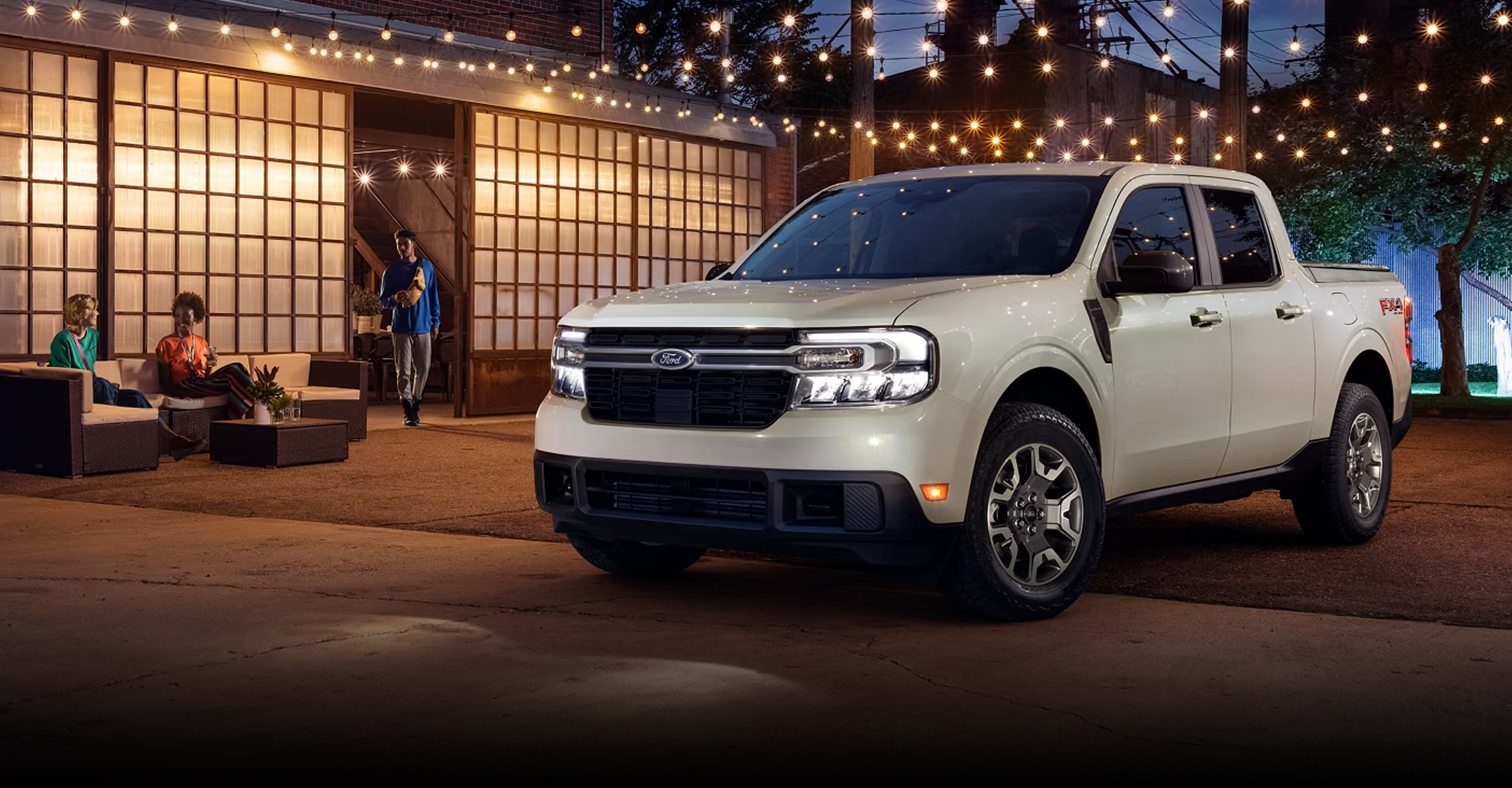
Types of Headlights
Ford offers a variety of headlight types to meet different driving needs:
- Ford Projector Headlights: These provide a better line of vision at night by magnifying the beams before emitting them onto the road.
- LED Headlights: Known for their energy efficiency and bright output, LED headlights offer enhanced visibility.
- Adaptive Driving Beam Headlights: These advanced headlights improve safety by reducing glare for oncoming traffic while providing optimal illumination.
How Do Projector Headlights Work?
Ford Projector Headlights are designed to enhance nighttime driving safety and visibility by using a lens to concentrate the light, providing a more focused and intense beam. These headlights are aimed downward at the road, reducing the likelihood of blinding other drivers, and they offer increased brightness, delivering a more effective beam for improved visibility.
Ford Adaptive Headlights
Ford Adaptive Headlights are engineered to enhance visibility when navigating curves, providing a safer and more confident driving experience. When the headlamps are turned on and set to Autolamp mode, the beams move in sync with the steering wheel to illuminate the road ahead. This feature activates at speeds above 3 mph, ensuring dynamic lighting adjustments precisely when needed.
- Curve Lighting: The system adjusts the headlamp beams to match the direction of the steering wheel, ensuring better illumination.
- Dynamic Beam Adjustment: Adaptive headlamps provide optimal lighting in the direction of travel, enhancing safety and visibility.
- Improved Road Awareness: Drivers can better anticipate and respond to road conditions with adaptive lighting.
Understanding Ford Headlight Settings
To adjust your Ford vehicle’s headlight settings, start by tapping the “Settings” option on your SYNC® screen. From there, choose “Vehicle” and scroll down to select “Lighting.” Here, you’ll find the option to control the Adaptive Headlamps feature—simply slide the button to turn it on or off, depending on your preference. This feature helps enhance visibility by automatically adjusting the headlights based on your vehicle’s speed and steering angle, offering a more responsive driving experience. During your test drive, we can show you how to get adjusted to the new headlight technology.

Purchasing and Installation
Ford headlights are crafted for easy installation and come with a wide variety of options tailored to different vehicle models. Thanks to their user-friendly design, upgrading or replacing your headlights is a hassle-free process. Our expert team specializes in genuine OEM parts and is ready to assist with any installation needs. You’ll also find a diverse selection of headlights and accessories designed specifically for Ford vehicles, allowing you to choose the perfect fit for your driving needs. Beyond convenience, these headlights are engineered to deliver enhanced light output and superior visibility, ensuring a safer and more confident driving experience.
Light the Way
The new Ford headlight technology represents a significant advancement in automotive lighting, enhancing safety and visibility for drivers and other road users. By incorporating features like Ford Automatic Headlights, Ford Projector Headlights, and Ford Adaptive Headlights, Ford continues to lead the way in automotive innovation. With reliable warranty coverage, technical support, and a commitment to customer satisfaction, Ford headlights are a smart choice for a better driving experience. To learn more about new headlight technology in our new Ford models, visit Preston Ford of Denton today!
How SYNC® 4 Voice Technology Assists Drivers

Explore Ford SYNC® 4 Features
Ford SYNC® 4 is here to redefine your driving experience, providing drivers with seamless connectivity, enhanced safety features, and intuitive voice control. This advanced infotainment system combines cutting-edge technology with a user-friendly interface to keep you connected while keeping your focus on the road. Let’s dive into the features that make Ford SYNC® 4 a game-changer. Visit Preston Ford of Denton to get a closer look at Ford SYNC® 4 technology today!
What Is Ford SYNC® 4?
Ford SYNC® 4 is an advanced cloud-based infotainment system that brings you wireless integration with your smartphone, making your driving experience more convenient and enjoyable. With natural voice recognition, SYNC® 4 ensures effortless communication with your vehicle, and the system even learns from your driving habits, providing personalized recommendations. Ford SYNC® 4 offers a range of smart features like over-the-air updates, which ensure that your system stays current without the hassle of visiting a dealership.
Key Features of Ford SYNC® 4
Ford SYNC® 4A and Ford SYNC® 4 bring a host of exciting features designed to elevate your driving experience. With larger screen options ranging from 8 to 15.5 inches, your in-car display becomes a more immersive hub for all your entertainment and navigation needs. Enjoy cord-free access to your phone with Apple CarPlay® and Android Auto™ compatibility, plus seamless integration with SYNC® AppLink®. Stay ahead of the curve with Available Connected Navigation, which provides real-time updates on traffic, weather, construction, and more. Plus, with Enhanced Voice Recognition, you can use natural, cloud-based conversational commands to control your system effortlessly. Tune into the widest variety of ad-free music, sports, talk, and news with SiriusXM® with 360L. SYNC® 4 also makes it easy to keep your system up-to-date with over-the-air software updates and access your vehicle’s information through an easy-to-search cloud-based Digital Owner’s Manual. It’s all designed to make your driving experience more connected, convenient, and enjoyable.

Vehicle Compatibility and Availability
Ford SYNC® 4 is available in a variety of Ford models, including the Ford F-150, Ford Mustang Mach-E, Ford Bronco, and the all-electric Ford F-150 Lightning. With more models continuously added to the lineup, Ford SYNC® 4 is becoming a standard feature in many Ford vehicles. Keep an eye on updates for the latest availability in your favorite Ford models.
Ford’s Car Voice Recognition System: User Experience and Interface
With advanced voice recognition powered by Natural Language Understanding (NLU), Ford SYNC® 4 lets you speak naturally and get quick responses. For instance, instead of saying, “Search for gas stations,” you can simply say, “Find me the nearest gas station.” This makes voice commands more intuitive and conversational. Bring Amazon Alexa along for the journey and enjoy hands-free access to everything from pumping up your favorite playlist to checking your grocery list or getting a weather update. Ford SYNC® 4 lets you take charge of your phone’s music, podcasts, and more with simple voice commands, streaming straight through your vehicle’s speakers.
Connected Experience
Staying connected on the go has never been easier, thanks to Ford SYNC® 4’s robust connectivity features. This advanced system offers seamless integration with Apple CarPlay® and Android Auto™, allowing you to wirelessly connect your smartphone and access your favorite apps, music, and contacts without cords.
Ford SYNC® 4’s cloud-based connectivity ensures that your system is always up-to-date with the latest software and features. Over-the-air updates mean you can receive new functionalities and improvements without needing to visit a dealership. This continuous enhancement keeps your Ford vehicle at the cutting edge of technology. The system also supports Ford SYNC® AppLink®, enabling you to use voice controls to interact with compatible apps directly from your vehicle’s display. Whether you’re making phone calls, sending messages, or streaming music, Ford SYNC® 4 keeps you connected and in control.
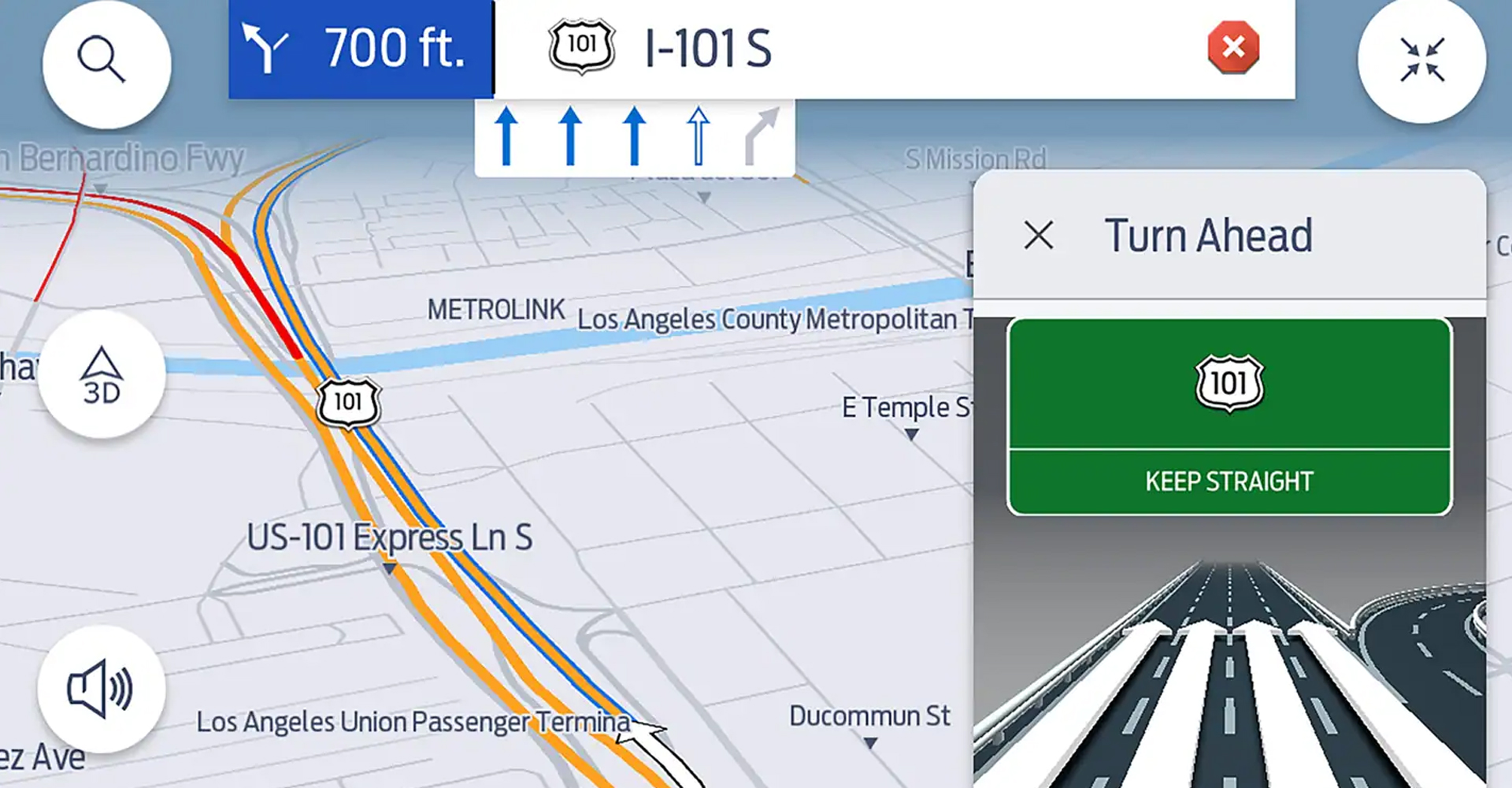
Navigation and Routing
Navigating your way has never been more efficient, thanks to the advanced navigation and routing capabilities of Ford SYNC® 4. The system provides real-time traffic information, weather updates, and points of interest, ensuring you have all the necessary information at your fingertips. With intelligent routing, Ford SYNC® 4 considers traffic conditions, historical data, and your driving preferences to offer optimized route suggestions.
The system learns from your driving patterns and proactively suggests the best routes based on current traffic conditions and your preferred arrival time. For instance, if you frequently visit a particular coffee shop in the morning, Ford SYNC® 4 will suggest the best route to get there, taking into account real-time traffic updates. Additionally, the system offers helpful suggestions, such as recommending alternative routes or nearby parking options. Integration with FordPass adds another layer of convenience, allowing you to plan your route, start your vehicle, and pre-condition the cabin temperature from the comfort of your home. This ensures a warm and comfortable ride as soon as you step inside your Ford vehicle. With Ford SYNC® 4, you’re always one step ahead on the road.
Benefits of SYNC® 4
Ford SYNC® 4 brings new levels of connectivity, voice recognition, and wireless compatibility to enhance your driving experience. Here are some of the standout benefits:
Convenient Connectivity: Whether it’s accessing your apps, music, or navigation, Ford SYNC® 4 ensures you’re always connected with minimal effort.
Improved Voice Control: You may be wondering: How does voice assistant work? With natural language understanding, voice commands are more intuitive and flexible. During your visit, you can test out the Ford SYNC® 4 voice commands list to see how this innovative technology works firsthand.
Wireless Apple CarPlay® Compatibility & Android Auto® Integration: Enjoy seamless integration with your smartphone without the hassle of cords.
Over-the-Air Updates: Ensure your vehicle’s technology is always up-to-date with software updates sent directly to your system.
Enhanced Safety: The system includes cloud-connected navigation that provides real-time traffic updates, road closures, and alternative route suggestions.
Getting Started with SYNC® 4
Whether you’re new to Ford’s technology or just need a quick refresher, getting started with Ford SYNC® 4 is easy. Visit Preston Ford of Denton for a hands-on demonstration. Our friendly team is here to walk you through all the features of Ford SYNC® 4 technology and show you how to make the most of your vehicle’s enhanced software!

Boost Your Ford Bronco Sport’s Performance and Style
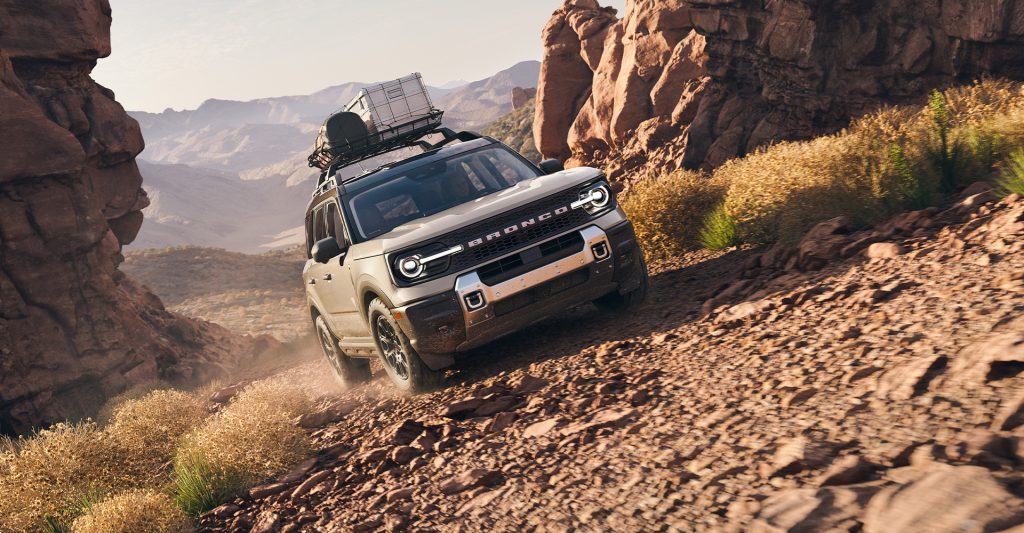
Looking to enhance your vehicle with Ford Bronco Sport upgrades? You’ve come to the right place! The Ford Bronco Sport is a versatile compact SUV that excels on both city streets and rugged off-road trails. Its tough exterior and advanced features make it an ideal choice for adventure seekers. Available in multiple trims such as the Ford Bronco Sport Big Bend®, Ford Bronco Sport Outer Banks®, Ford Bronco Sport Badlands®, and Ford Bronco Sport Heritage, the Ford Bronco Sport offers a variety of options to match different lifestyles. Plus, there are plenty of upgrades to further elevate its performance. Keep reading to discover the latest options, and visit Preston Ford of Denton for all the details on the best Ford Bronco Sport upgrades you won’t want to miss!

Performance Upgrades
For those who love off-roading, the Black Diamond Off-Road Package is a must-have for the Ford Bronco Sport Big Bend® and Outer Banks® models. Featuring a unique hood and side decals, underbody protection, and a Black Diamond graphic, this package boosts both style and off-road capability. The 17-inch Carbonized Gray-Painted Low-Gloss Aluminum Wheels, paired with 225/65R17 Continental All-Terrain Tires, offer superior traction and durability. Additional off-road upgrades include metal bash plates, front tow hooks, and two extra G.O.A.T. Modes®: Mud/Ruts and Rock Crawl. When it comes to towing, the Class II Trailer Tow Package allows you to tow up to 2,000 lbs. with the 1.5L EcoBoost® engine or 2,200 lbs. with the 2.0L EcoBoost® engine.

Ford Bronco Sport Safety Features
Your adventures are only as enjoyable as the safety features you have in place. We’re big fans of the Ford Bronco Sport upgrades that keep you safe, no matter where the journey takes you. Consider adding the available Ford Co-Pilot360® Assist+, a comprehensive suite of driver-assist technologies, including Adaptive Cruise Control and Automatic Emergency Braking. These features help you stay secure and confident behind the wheel. You can also opt for the available 180-degree camera for enhanced visibility as a part of the Ford Bronco Sport upgrades.
Ford Bronco Sport Convenience Package
The Convenience Package brings a new level of comfort and ease to your Ford Bronco Sport. This suite of features includes LED Fog Lamps for improved visibility in bad weather, Rear Parking Sensors to assist with parking, a Premium-Wrapped Steering Wheel for a touch of sophistication, a Universal Garage Door Opener for convenience, a Wireless Charging Pad for easy device charging, Heated Front Seats to stay warm on chilly days, and an 8-way Power Driver’s Seat for personalized comfort.
Ford Bronco Sport Tech Package
For those who love technology and premium sound, the Ford Bronco Sport Tech Package is a game-changer when it comes to Ford Bronco Sport upgrades. It includes a B&O Sound System by Bang & Olufsen®, providing an immersive audio experience with 10 speakers and a subwoofer. This package also includes HD Radio for crystal-clear broadcasts and a Wireless Charging Pad to keep your devices powered. A Universal Garage Door Opener is also part of the package, streamlining your daily routine.
Ford Bronco Sport Premium Package
Exclusively available on the Ford Bronco Sport Badlands® model, the Premium Package takes luxury to new heights. Features include leather-trimmed seats with mini-perforations for both the driver and passenger, an auto-dimming rearview mirror for improved visibility, and the B&O Sound System by Bang & Olufsen® for an unmatched audio experience. The package also adds convenient features like a heated steering wheel, wireless charging pad, and universal garage door opener.
Enhance Your Off-Road Prowess
Take your off-road capabilities to new heights. Discover a range of Ford Bronco Sport upgrades at Preston Ford of Denton designed to conquer any terrain.
Ford F-150 STX® vs. XLT

Which Ford F-150 Should You Choose?
The Ford F-150 lineup stands out for its versatility, power, and innovative features. Among its numerous configurations, the Ford F-150 STX® and Ford F-150 XLT trims are excellent choices, each catering to distinct preferences and needs. At Preston Ford of Denton, we’re here to help you understand the key differences and similarities between the Ford F-150 STX® vs. XLT to guide you in making the right choice.
Pricing
When comparing the Ford F-150 STX® vs. XLT, pricing plays an important role. The Ford F-150 STX®, often considered an entry-level trim for those seeking a sportier aesthetic, is the more budget-friendly option of the two. The Ford F-150 STX® includes a Class IV trailer hitch as standard equipment. On the other hand, the Ford F-150 XLT introduces more advanced features and additional comforts, making it ideal for those willing to invest more in their truck. The Ford F-150 XLT includes remote keyless entry as a standard feature. Your choice will depend on how much value you place on high-tech features and premium options.

Powerful Design & Performance
The Ford F-150 STX® boasts a sleek, athletic appearance with unique styling elements emphasizing its sport-oriented design. As part of its Black Appearance Package, the Ford F-150 STX® includes black exterior badging. Standard features include 18-inch Dark Gray Machined Aluminum Wheels, Unique Sport Cloth Bucket Seats, and a 12-inch Productivity Screen, ensuring a comfortable and connected driving experience. The Ford F-150 XLT takes a step up regarding versatility and customization. This trim introduces exciting options, such as the Black Appearance Package, which gives the truck a bold, aggressive look. The Ford F-150 XLT features chrome bumpers for added style and functionality. If you’re looking for an eco-friendly yet powerful ride, the available 3.5L PowerBoost® Full Hybrid V6 is an impressive choice. Advanced towing and convenience features, including ProTrailer Backup Assist™ and the 360-Degree Camera, make the XLT perfect for those who need a truck capable of tackling various tasks. The Ford F-150 XLT includes Pro Trailer Backup Assist for enhanced towing capabilities.
Rugged Capabilities
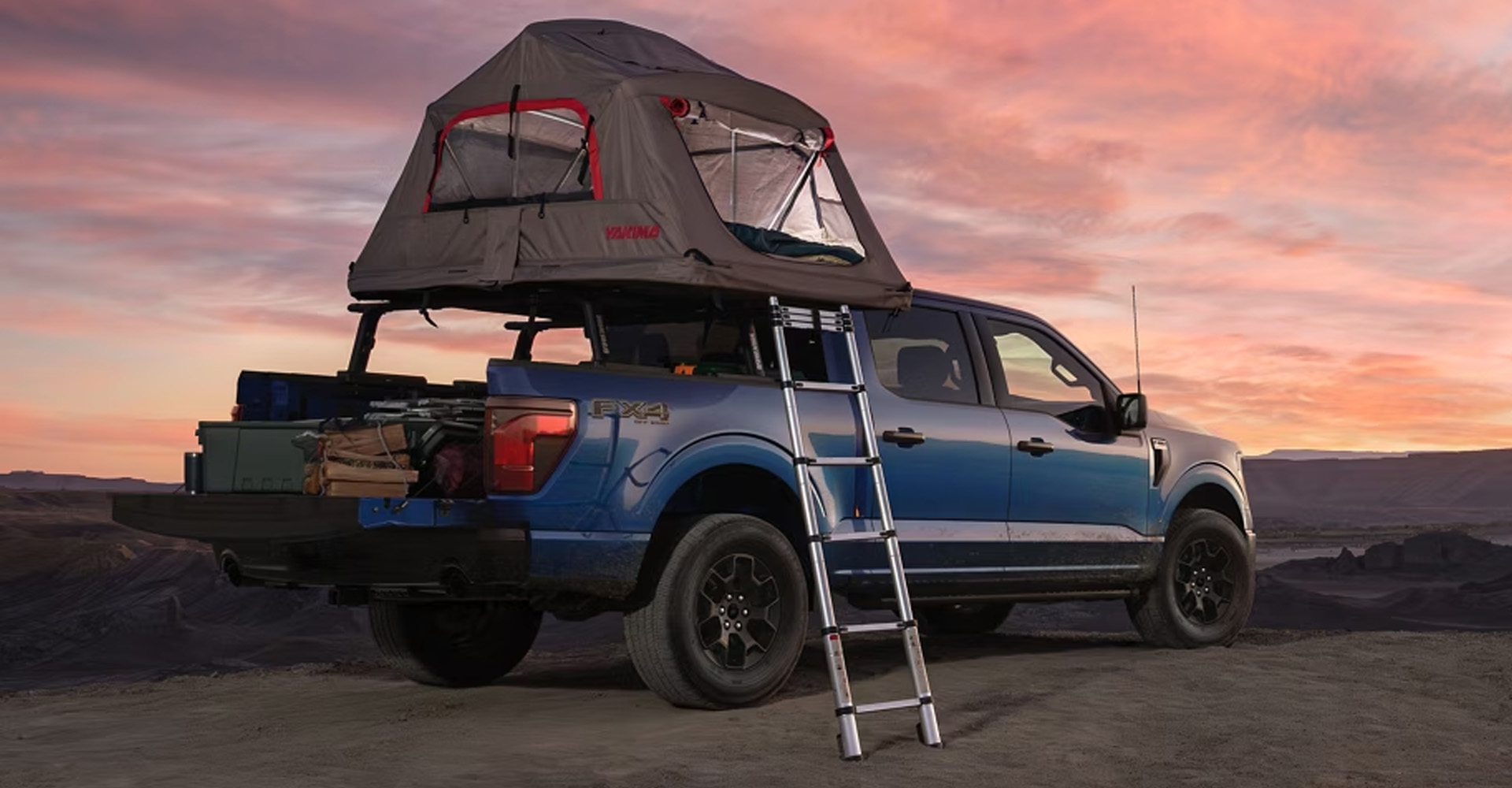
When comparing the Ford F-150 STX® vs. XLT, both trims deliver the rugged capabilities drivers expect from this iconic truck. The STX® includes Selectable Drive Modes, providing optimal performance across different terrains. The STX® also includes monotube rear shocks for improved off-road performance. For those who love off-roading, the STX® FX4® Package enhances the experience with additional trail-ready features. The Ford F-150 XLT, however, takes versatility to the next level. Its BlueCruise Hands-Free Highway Driving Optional Hardware offers cutting-edge convenience, while the available Pro Trailer Hitch Assist™ simplifies towing tasks. Whether you’re on a job site or a weekend adventure, the XLT excels at delivering a seamless driving experience.
Advanced Interior
Inside the cabin, the Ford F-150 STX® focuses on sportiness and functionality. It includes a premium sound system for an enhanced audio experience. The 12-inch capacitive touchscreen offers easy access to controls and entertainment, and its durable materials support active lifestyles. In contrast, the Ford F-150 XLT interior offers a more premium feel with available features like leather-trimmed seats, additional storage solutions, and advanced connectivity options. It includes a Head-Up Display for added driving convenience. Drivers will appreciate the convenience of the optional wireless charging pad and enhanced safety features included in the Ford Co-Pilot360™ suite, such as the Lane-Keeping System and Pre-Collision Assist.
Which Ford F-150 Is Right for You?
Choosing the Ford F-150 STX® vs. XLT pickup truck depends on your needs and preferences. The Ford F-150 STX® is an excellent choice for drivers seeking sporty styling and essential features at a competitive price. Meanwhile, the Ford F-150 XLT offers an elevated experience with advanced technologies, towing capabilities, and customization options that cater to work and leisure alike.
Find Your Ford F-150
Ready to explore the F-150 STX®, learn about Ford trucks, or answer the following question: What is a Ford F-150 XLT? Visit Preston Ford of Denton today to test drive both trims and find your perfect match. Your next adventure starts with the Ford F-150!
Ford Escape Active™ vs. ST-Line

Find Your Ideal Crossover
Choosing the perfect compact SUV often comes down to the finer details, and the Ford Escape Active™ vs. ST-Line are two standout options. Both trims offer a combination of versatility, technology, and capability, but they cater to slightly different needs. The Ford Escape features various trim levels, including the Active™, ST-Line, and Plug-In Hybrid, each with unique attributes like sporty styling, family-friendly accommodations, and eco-conscious engineering. At Preston Ford of Denton, we’re breaking down the differences between the Ford Escape Active™ and ST-Line trims to help you decide which is best suited for your lifestyle.

Performance & Efficiency Across Ford Escape Trim Levels
The Ford Escape Active™ comes equipped with a 1.5L EcoBoost® I-3 engine with Auto Start-Stop Technology, offering a blend of efficiency and performance. Paired with standard Front-Wheel Drive and available All-Wheel Drive, this powertrain is perfect for everyday commutes and light adventures. In comparison, the Ford Escape ST-Line takes performance up a notch with the option for a 2.5L iVCT Atkinson Cycle I-4 Hybrid Engine. This hybrid powertrain delivers impressive efficiency for drivers seeking to minimize fuel consumption while still enjoying a capable drive. Additionally, the Ford Escape ST-Line retains all the standard features of the Ford Escape Active™ while introducing its unique flair.

Advanced Technology & Connectivity Features
Technology highlights both trims, ensuring a connected and intuitive driving experience. The Ford Escape Active™ features SYNC® 4 on an 8-inch touchscreen, wireless Apple CarPlay®, Android Auto™ compatibility, and Ford Co-Pilot360® technology with essential safety features like a rearview camera. The Ford Escape Active™ key features include advanced technology and connectivity options that enhance the overall driving experience. The Ford Escape ST-Line trim carries over all these features and adds a sporty edge with a flat-bottom steering wheel featuring red stitching. The advanced driver-assist features ensure that you’ll feel confident and secure whether you’re cruising city streets or taking a weekend trip. The Ford Escape ST-Line’s premium features include a heated steering wheel, providing extra comfort during colder months.
Exterior Mirrors & Black Roof: Design Highlights
Style differences are where the Ford Escape Active™ vs. ST-Line diverge significantly. The Ford Escape Active™ showcases a refined look with 17-inch Shadow Silver-Painted Aluminum Wheels and practical touches like Intelligent Access with Push-Button Start. The Ford Escape ST-Line, however, boasts a sportier aesthetic. Black roof-rack rails and 18-inch Rock Metallic-Painted Aluminum Wheels make a bold statement, while Partial Vinyl and Cloth Seats with red stitching emphasize its athletic interior design. The Ford Escape ST-Line also includes an 8-way power driver seat for added comfort, elevating your driving experience. The Ford Escape ST-Line Elite further enhances this with premium amenities and sporty aesthetics, offering an upscale and memorable driving experience.

Which Ford Escape Is Right for You?
The Ford Escape Active™ is ideal for drivers seeking a practical, tech-savvy SUV with a dependable engine and modern conveniences. The Ford Escape ST-Line appeals to drivers who want a sportier look, enhanced interior features, and a hybrid powertrain option. Are you still deciding between the Ford Escape Active™ vs. ST-Line? Visit Preston Ford of Denton to compare these trims in person, and schedule your test drive today!
Differences Between Ford Maverick XL vs. XLT

Find the Perfect Pickup
When it comes to compact trucks, the Ford Maverick lineup is a standout, offering incredible utility and modern features in a compact and efficient package. Among its trim levels, the Ford Maverick XL vs. XLT offers two appealing options tailored for different needs. At Preston Ford of Denton, we’re here to break down the differences between the Ford Maverick XL vs. XLT to help you determine which trim best suits your lifestyle.
Practicality Meets Affordability: Ford Maverick XL
The Ford Maverick XL model is the base trim, designed to deliver impressive functionality and affordability. This trim comes with:
- Manual seats for straightforward adjustments.
- 17-inch Sparkle Silver Steel Wheels for a durable and classic look.
- A black mesh grille with a black surround emphasizes its distinctive exterior design.
- Cruise Control for added convenience during highway drives.
- Six tie-downs and the innovative FLEXBED® storage system provide versatile cargo solutions.
- Apple CarPlay® and Android Auto™ compatibility to keep you connected on the go.
The Ford Maverick XL is ideal for drivers who want a reliable truck with essential features at an accessible price.

Elevated Comfort & Utility: Ford Maverick XLT
The Ford Maverick XLT trim builds on the features of the XL trim, adding extra convenience, style, and utility:
- Cubby storage on the bed’s passenger side, providing secure, easy-access storage.
- An increase to 10 tie-downs, enhancing its cargo management versatility.
- Upgraded 17-inch Carbonized Gray-Painted Alloy Wheels, giving it a modern edge.
- LED bed lighting for better visibility during nighttime jobs or outdoor adventures.
- A 400W in-bed power outlet, making the XLT perfect for powering tools or charging devices while on the go.
- Additional comforts, such as heated seats, enhance the driving experience.
The XLT offers a more polished and feature-rich experience for those who want additional comfort and practicality without sacrificing the Ford Maverick’s compact efficiency.
Choosing Between the Ford Maverick XL vs. XLT
When comparing the Ford Maverick XL vs. XLT, it comes down to your priorities. The XL model features a single engine, while the XLT offers more choices, including both a four-cylinder and a V6 engine. The Ford Maverick XL and XLT models are perfect for drivers seeking a budget-friendly truck with all the essential features for everyday tasks and adventures. The Ford Maverick XLT, with its additional storage solutions, upgraded design elements, and enhanced functionality, appeals to those looking for a little more sophistication and capability in their compact truck. The Ford Maverick XLT models, in particular, stand out for their enhanced utility and luxury features.

Which Ford Maverick Is Right for You?
Both trims have plenty to offer, but the best choice will depend on your specific needs. Both the Ford Maverick XL and XLT trims come with a Wi-Fi hotspot, enhancing the overall driving experience by providing seamless internet access on the go. If you’re focused on value and practicality, the Ford Maverick XL is a great pick. If you prefer a truck with upgraded features and utility, the Ford Maverick XLT trim is the way to go.
Get Your Maverick
Still debating the differences between the Ford Maverick XL vs. XLT? Visit Preston Ford of Denton today to explore these trims and schedule your test drive. Let us help you find the perfect Ford Maverick to suit your lifestyle!
Ford Ranger XL vs. XLT

The Ford Ranger XL vs. The Ford Ranger XLT: Which One Should You Pick?
The Ford Ranger continues to impress truck enthusiasts with its blend of capability, technology, and comfort. Among the various trims, the Ford Ranger XL and Ford Ranger XLT stand out as popular choices, each catering to different preferences and needs. At Preston Ford of Denton, we’ll take a look at the key features, design, performance, and pricing of the Ford Ranger XL vs. the Ford Ranger XLT to help you make an informed decision.
Pricing
Pricing is the initial factor when you decide between the Ford Ranger XL vs. the Ford Ranger XLT. The base trim, the Ford Ranger XL, is positioned as the more budget-friendly option, making it ideal for those who don’t need many additional features. Conversely, the Ford Ranger XLT trim, with its additional comforts and technologies, comes at a higher price point. You’ll notice that if you’re willing to invest more into your truck, the extra cost translates to a more versatile and comfortable driving experience. However, it all comes down to personal preferences.

Powerful Design & Performance
When it comes to design, both the Ford Ranger XL vs. the Ford Ranger XLT maintain the rugged, aggressive stance that this midsize truck is known for. The Ford Ranger XL has a STX® Appearance Package that gives it its utilitarian appearance, with functional elements, like 17-in. silver-painted aluminum wheels with all-terrain tires, and LED reflector headlights.
On the other hand, the Ford Ranger XLT uses the Sport Appearance Package to include a few more stylistic flourishes, such as power folding sideview mirrors, LED headlamps, In-Bed Power, and an available Integrated Boxside Step. You can also upgrade to the Chrome Appearance Package for crisp chrome accents to brighten your ride.
The 2.3L EcoBoost® engine comes standard on the Ford Ranger XL and Ford Ranger XLT, ensuring a strong performance at 270 horsepower and 310 lb.-ft. of torque. The Ford Ranger XLT lets you upgrade to the 2.7L EcoBoost® V6 engine, capable of unleashing a staggering 315 horsepower with 400 lb.-ft. of torque to optimize your adventures.
Rugged Capabilities
Built to handle demanding tasks, the Ford Ranger XL vs. the Ford Ranger XLT don’t fall short of their capabilities. When equipped with the optional Trailer Tow Package, both trucks achieve a maximum towing capacity of 7,500 lbs. However, the Ford Ranger XLT offers additional towing features found in the Advanced Towing Package that enhance its capability. These include integrated trailer brake controllers and Pro Trailer Backup Assist™.
If you want to take your truck off road, the Ford Ranger XL vs. the Ford Ranger XLT have different approaches to achieve this. The base trim allows you to have a good time to an extent with its all-terrain tires and Electronic-Shift-On-the-Fly, but the Ford Ranger XLT capitalizes on this experience thanks to the available FX4® Off-Road Package. Exposed steel bash plates, off-road tuned shocks, an electronic-locking rear differential, and an increased wheelbase are just some of the advanced features you can get out of it.

Advanced Interior
Seating up to five passengers, the interior features for the Ford Ranger XL vs. the Ford Ranger XLT are curated for you and your crew. They’re both straightforward and functional, featuring contoured bucket seats with a premium cloth trim. You also have ample room to ensure everyone is comfortable.
Technology is a significant aspect when comparing the Ford Ranger XL vs. the Ford Ranger XLT, but there are notable similarities and differences. Both models come with essential safety features that are found in the Ford Co-Pilot360® suite, which includes Pre-Collision Assist with Automatic Emergency Braking, Hill Descent Control, a Lane Keeping System, and so much more. Each model also comes with SYNC® 4A, Apple CarPlay®, and Android Auto™ connectivity on a comprehensive 10.1-in. touchscreen. However, the Ford Ranger XLT allows you to upgrade to a 12-in. display. This model also features a wireless charging pad, outside temperature display, and an optional 360-degree camera, among other advanced features the Ford Ranger XL isn’t able to include. These features make the Ford Ranger XLT more appealing to tech-savvy drivers who appreciate modern conveniences while on the road.
Select Your Midsize Truck Today
The Ford Ranger XL vs. the Ford Ranger XLT both offer impressive capabilities and features, catering to different needs. The base trim excels in utility and affordability, making it perfect for work-focused buyers. Meanwhile, the Ford Ranger XLT provides a more comfortable and feature-rich experience, ideal for those who desire a balance of functionality and modern amenities. Ultimately, the choice between the two will depend on individual preferences and priorities. Whichever trim you decide to go for, Preston Ford of Denton is here to help!

Discover the Difference Between the Ford Expedition and the Ford Expedition MAX
Choosing the perfect SUV for your family can be daunting. With so many options available, it’s important to consider your specific needs and preferences. If you’re in the market for a spacious and capable Ford SUV, the Ford Expedition and Ford Expedition MAX are both excellent choices. But which one is the right fit for you? Keep reading as we compare the Ford Expedition vs. the Ford Expedition MAX, then head to Preston Ford of Denton to test both options for yourself!
Ford Expedition vs. Ford Expedition MAX Specs
There are many similarities when it comes to comparing the Ford Expedition vs. the Ford Expedition MAX, but there are some differences when it comes down to the specifications. Let’s dive deeper into them below!

Towing Capacity and Hauling
The Ford Expedition and Expedition MAX are both capable of towing heavy loads. However, the Ford Expedition has a slightly higher maximum towing capacity of 9,300 lbs. compared to the Ford Expedition MAX’s 9,000 lbs. when properly equipped with the available Heavy-Duty Trailer Towing Package. Standard towing capabilities also differ when comparing the Ford Expedition vs. the Ford Expedition MAX. The standard Ford Expedition towing capacity maxes out at 6,000 lbs., and the Ford Expedition MAX can allow up to 6,300 lbs.
Fuel Efficiency
While both the Ford Expedition vs. Ford Expedition MAX 4×2 models offer similar fuel efficiency ratings, the Ford Expedition 4×2 slightly outperforms the Ford Expedition MAX 4×2 in terms of overall fuel economy. The Ford Expedition 4×2 achieves an EPA-estimated 17 MPG in the city, 23 MPG on the highway, and a combined 19 MPG. In comparison, the Ford Expedition MAX 4×2 gets 16 MPG in the city, 23 MPG on the highway, and a combined 19 MPG.
Ford Expedition vs. Ford Expedition MAX Length & Cargo Space
The Ford Expedition has a length of 210 in. and the Ford Expedition MAX measures to be 221.9 in. Both of these SUVs offer ample space and comfort. However, when comparing the Ford Expedition vs. the Ford Expedition MAX models, you’ll notice a slight difference in size. The Ford Expedition MAX is almost a foot longer than the standard Ford Expedition. In total, it has an additional 19.9 cu.ft. of interior cargo space. With the added length, it brings the total cargo area to a maximum of 121.5 cu.ft. of space. The maximum cargo volume behind the first row of the Ford Expedition maxes out at 104 cu.ft. in comparison, so if you require a bit more space, the Ford Expedition MAX model may be the way to go. Both models provide generous passenger and cargo space, making them ideal for families of all sizes and road trips of every kind. The second and third rows in the Ford Expedition models offer ample legroom and flexibility for cargo space, ensuring comfort and convenience for all passengers.
Ford Expedition MAX: Ideal for Large Families and Heavy Hauling
When looking at the Ford Expedition MAX vs. the Ford Expedition, the MAX model is a larger and more spacious SUV that excels at accommodating large families and heavy hauling needs. With its increased cargo volume, the Ford Expedition MAX is the ideal choice for those who frequently transport bulky items, luggage, or a large number of passengers. Its generous interior dimensions make it perfect for families with growing children or anyone who requires extra room for their belongings. Whether you’re embarking on a road trip, moving, or simply need a vehicle that can handle your active lifestyle, the Ford Expedition MAX provides the space and versatility you demand.

Ford Expedition: Ideal for Families on the Go
On the other hand, the Ford Expedition offers families a spacious and versatile SUV that’s perfect for adventures and everyday life. With its comfortable interior, ample seating capacity, and generous cargo space, the Ford Expedition is ideal for family outings, road trips, and transporting sports gear for carpools. Plus, the standard Ford Expedition comes with a lower starting price compared to the Ford Expedition MAX, making it a more budget-friendly option for families seeking a reliable and capable SUV without breaking the bank.
Trim Options
The Ford Expedition offers a range of trim levels to cater to different preferences and needs. The entry-level Ford Expedition XL STX provides a solid foundation with essential features, while the Ford Expedition XLT offers additional amenities and comfort. For those seeking a more luxurious experience, the Limited trim level delivers premium features and materials. For outdoor enthusiasts, the Ford Expedition Timberline® trim is designed for off-road capability with rugged enhancements. The Ford Expedition King Ranch® trim exudes a Western-inspired aesthetic with premium leather and unique styling. Finally, the top-of-the-line Ford Expedition Platinum® trim offers the ultimate in luxury and refinement. As for the Ford Expedition MAX trim levels, you can choose from the Ford Expedition XLT MAX, the Ford Expedition Limited MAX, Ford Expedition King Ranch® MAX, and the Ford Expedition Platinum® MAX. Whether you prioritize affordability or desire all the bells and whistles, both the Ford Expedition vs. the Ford Expedition MAX offer a trim level that will meet your family’s needs and elevate your driving experience.
Which One is Best for You?
Ultimately, the decision between the Ford Expedition vs. the Ford Expedition MAX comes down to your individual needs and preferences. To determine which Built Ford Tough® SUV is the best fit for you and your family, visit Preston Ford of Denton. Here, you can explore both models in person, take them for a test drive, and experience firsthand the comfort, versatility, and performance that each one offers. Whether you’re seeking a spacious family vehicle or a capable adventure companion, the Ford Expedition and Ford Expedition MAX are both exceptional choices, designed to elevate your driving experience.
Connect with us


